

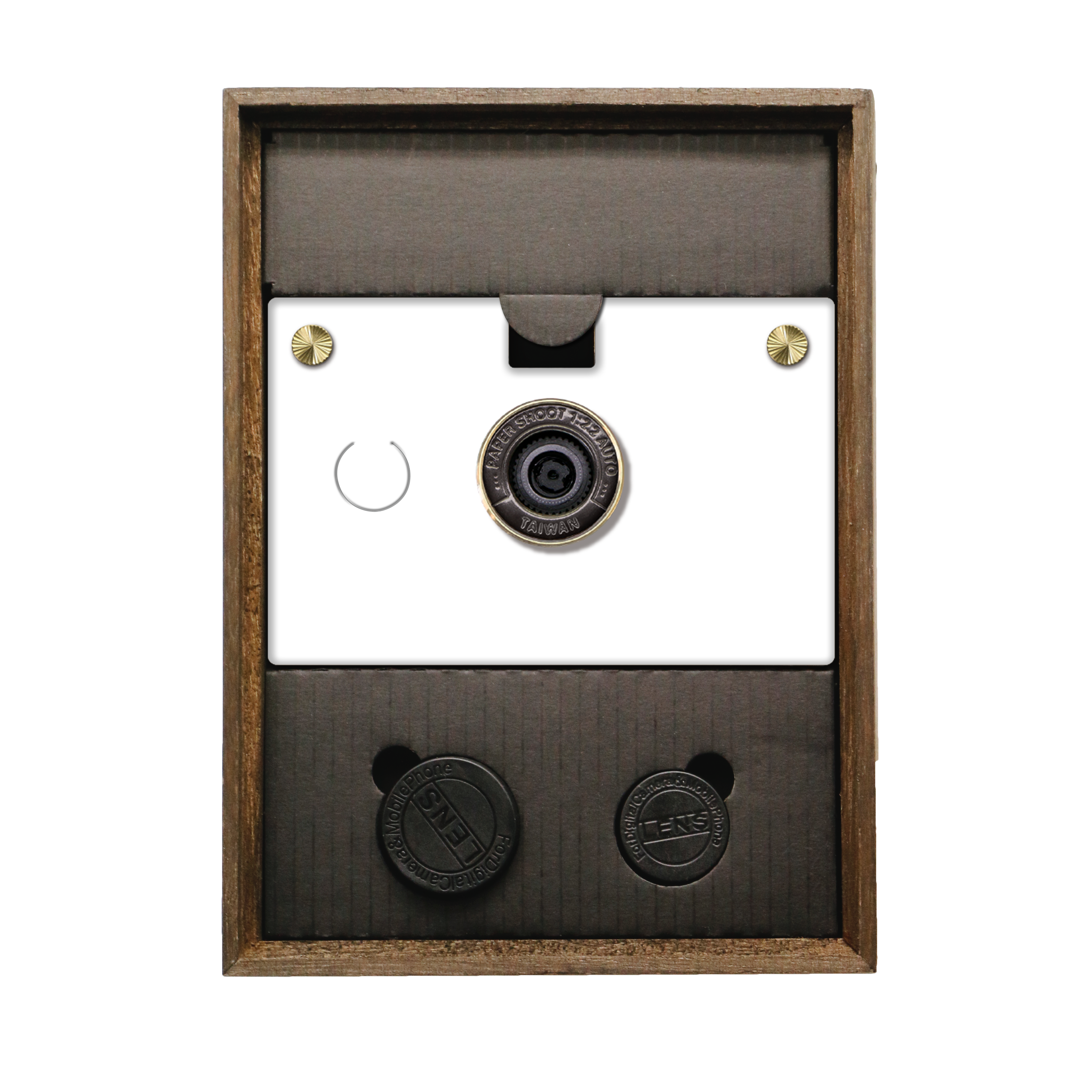

Custom Camera Set
✨Heads up before you buy! ✨
Pairs well with
Custom Camera Set
4 built-in looks — plus video and time-lapse.
Start with four built-in tones, plus USB-C-powered video and time-lapse.

Original
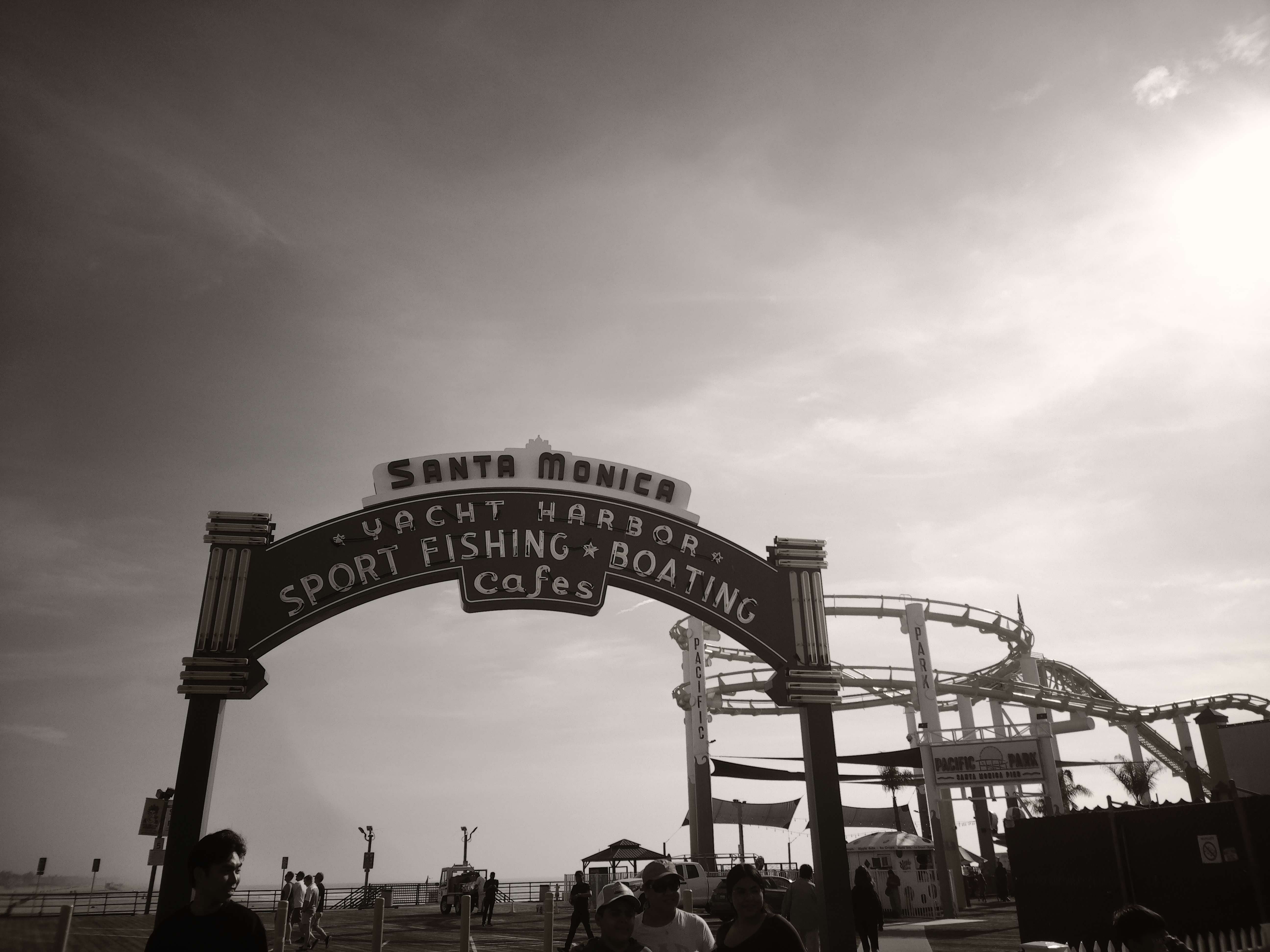
Black & White
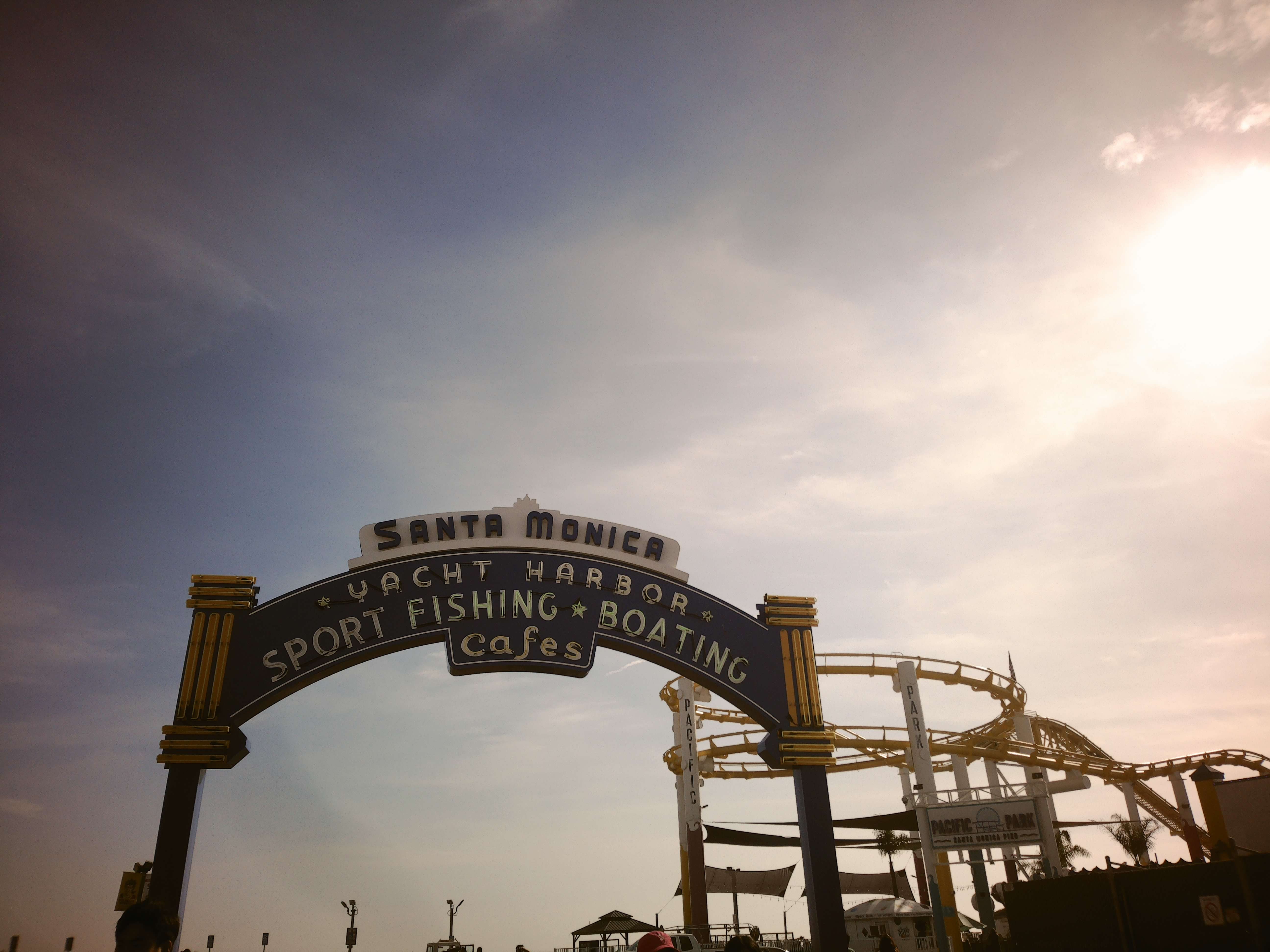
Sepia

Blue
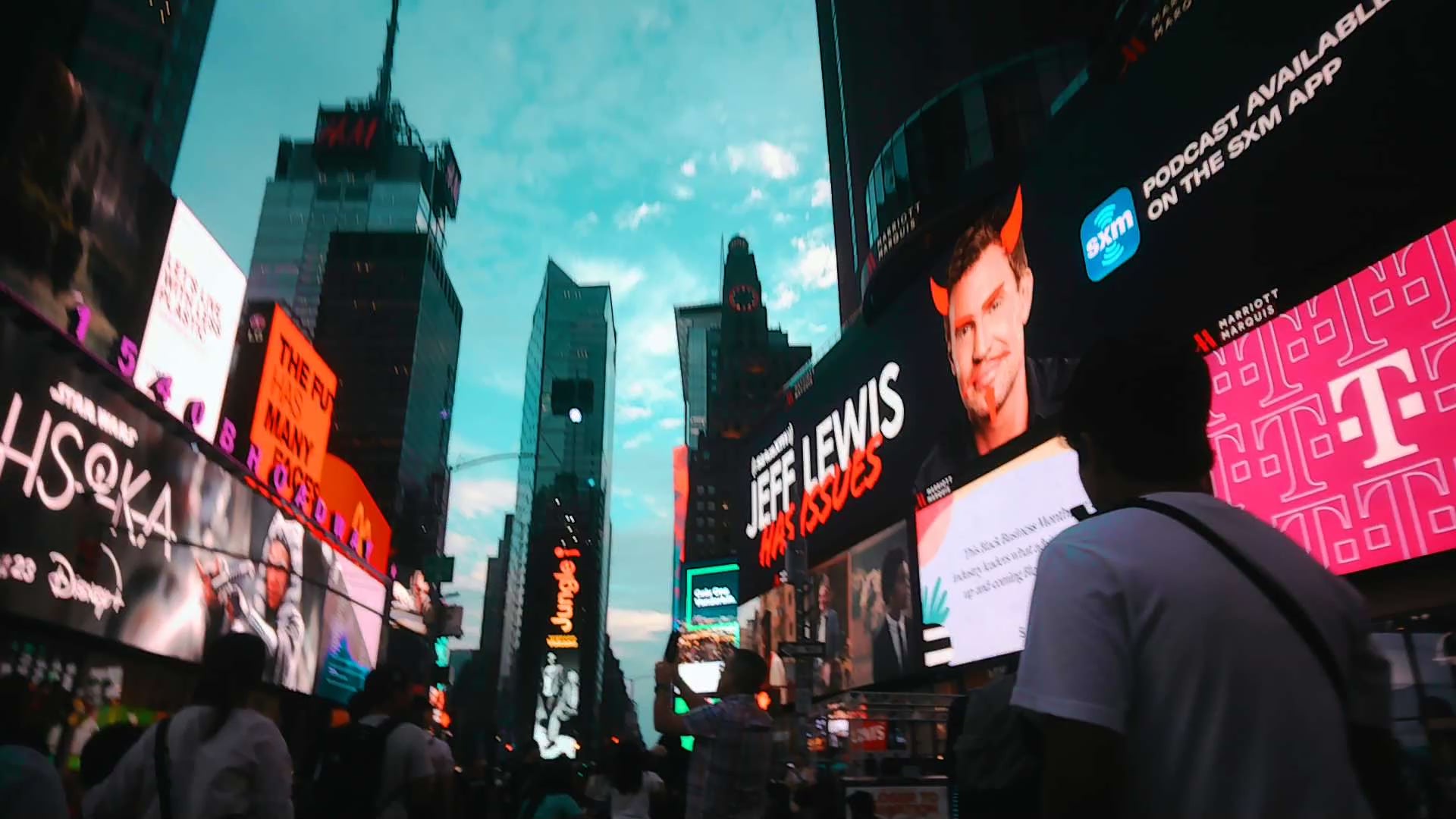
Timelapse mode — capture hours in seconds

Short video mode — shoot clips with film-like charm
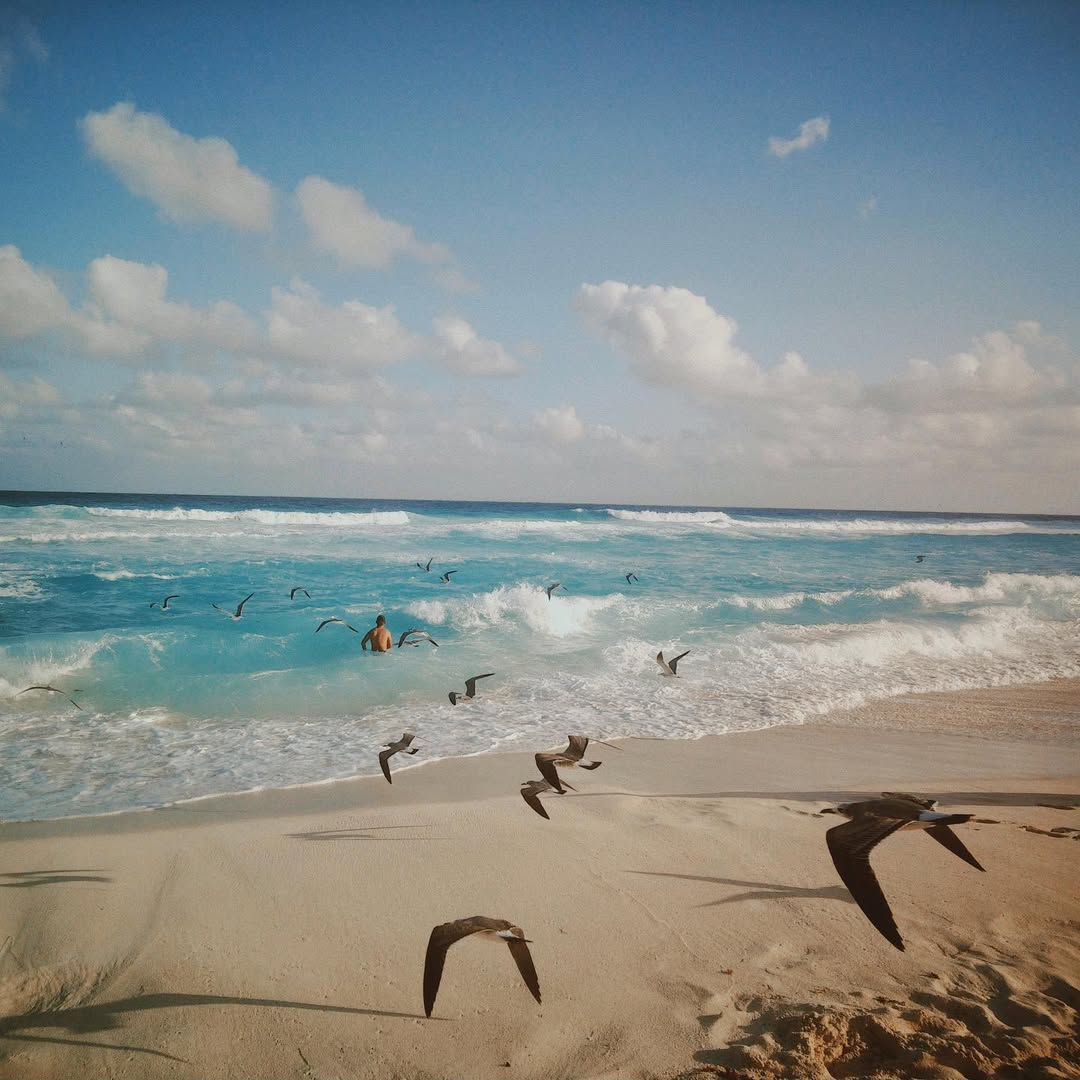
Real photos. No edits.
What comes out of Paper Shoot is not a phone filter or app effect added later.
It is the image the camera actually captured, using the built-in tone or filter card you chose before shooting.

by Kirsten Kruk

by Natalie

by Hannah Grogan
@cookie_maestri

by Natalie Davenport

by Savannah Krista

How it works
Smile. Shoot. Share.
Simple enough to start right away.
⚡ Batteries in.
🎨 Pick a tone.
📸 Press once.
🔄 Transfer by USB-C or SD.
No screen by design. Less checking. More presence.
Product Details
- Gift-Ready Box
- 1-Year Warranty
- All-In-One Kit — Charge Once and You’re Ready to Shoot.
Camera Specifications
Camera Features
What’s Included

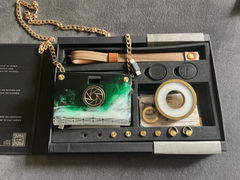
Camera Board
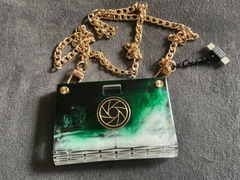
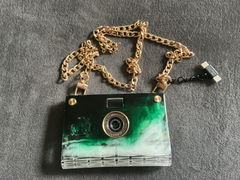
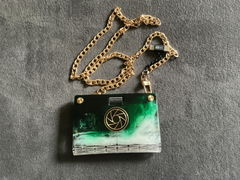
Interchangeable Stone Paper Case

Wide-angle & Macro Effect Lens
SD Card

Brass Fasteners
AAA Rechargeable Batteries
USB-C Cable (Charging & Data)
FAQ
Is the image quality actually good?
Yes — and intentionally so.
Paper Shoot uses a real digital sensor and carefully tuned optics to create photos that feel soft, warm, and natural, rather than overly sharp or over-processed like a phone.
It’s not trying to win a spec race — it’s designed to capture texture, light, and mood in a way that feels more like film than a screenshot.If you’re expecting clinical sharpness, this isn’t that camera.
If you want photos that feel human and timeless, it is.
No screen? How do I know if I actually got the shot?
You don’t — and that’s the point.
Paper Shoot is designed to remove constant checking, retakes, and distractions. You press the shutter, stay in the moment, and discover the photos later.
Most users find this surprisingly freeing — fewer photos, but more meaningful ones. You trust the moment instead of managing it.
Why not just use a filter on my phone?
Because filters imitate a look after the photo is taken.
Paper Shoot captures its look in-camera, using real light, a dedicated sensor, and carefully tuned optics.
There’s no app, no presets, and no editing pipeline.
What you see later isn’t a simulation — it’s what the camera actually captured. More importantly, using a separate camera changes how you shoot.
No notifications. No checking. Just the moment.
Does it work indoors or at night?
Yes, within reason.
Paper Shoot performs best in natural daylight, window light, and well-lit indoor spaces.
In low light or at night, photos will appear darker and more atmospheric — closer to film than to night-mode phone photography.
This is a creative choice, not a limitation. If you want a softer, moodier look, it works beautifully.
How long does the battery last?
Two fully charged rechargeable AAA batteries delivers approximately 300–500 photos, depending on usage.
Using standard AAA rechargeable means:
- Easy to replace or carry spares
- Simple to recharge anywhere
- No proprietary batteries
Reliable, travel-friendly, and low-stress.
Why is it priced higher than cheap cameras?
Because Paper Shoot isn’t designed to be disposable. Cheap cameras often use low-quality components and are meant to be replaced after a short time.
Paper Shoot is built with a real digital sensor, durable materials, and a modular system that lets you change shells, add features, and keep using the same camera for years.
You’re not paying for specs — you’re paying for intentional design, longevity, and a different way of photographing everyday life.
What’s the difference between built-in tones and filter cards?
Built-in tones are the 4 base looks already inside the camera. Filter cards are physical add-ons—like swapping film stocks—to unlock more looks and playful effects.
- Built-in tones: switch the basics anytime—no card needed.
- Filter cards: swap a card to change the look; some cards can also create fun effects (photobooth-style sequences, double exposures).
Which should I use?
- Fast, everyday shooting → Built-in tones
- More variety / special effects → Filter cards